
Introduction to LASIK
LASIK eye surgery is a safe and effective procedure that corrects common vision problems such as nearsightedness, farsightedness, and astigmatism. The surgery reshapes the cornea, which allows light to focus properly on the retina, providing clearer vision. An experienced ophthalmologist can determine if this procedure is appropriate and guide patients through every step of the process.
Preoperative Evaluation
Before LASIK, a thorough eye examination is essential. The eye surgeon will measure corneal thickness, assess tear production, and check for conditions that may affect healing, such as dry eye or corneal irregularities. Your medical history and current medications are reviewed to ensure the procedure is safe. During this evaluation, your eye doctor will explain the procedure, potential risks, and realistic outcomes.
The LASIK Procedure
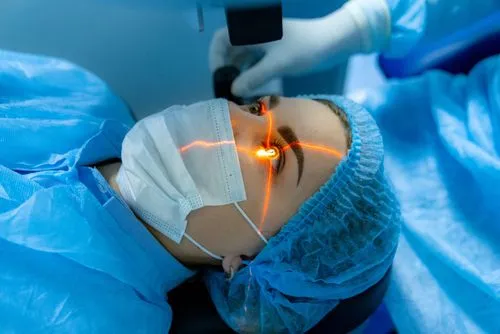
The procedure itself is quick and minimally invasive. Numbing eye drops are applied to reduce discomfort. The surgeon creates a thin corneal flap using advanced laser technology, reshapes the underlying tissue to correct the refractive error, and then repositions the flap. The cornea heals naturally without the need for stitches. Most patients notice improved vision within hours, although mild irritation, dryness, or light sensitivity may occur temporarily. An eye surgeon will provide detailed instructions for post-surgery care to ensure proper healing.
Recovery After Surgery
Recovery from LASIK is usually fast. Many patients return to normal activities within one or two days, while full visual stabilization may take a few weeks. Eye drops are used to prevent infection and control inflammation. Follow-up visits allow the ophthalmologist to monitor progress and address any concerns. Temporary symptoms, such as glare or halos around lights, generally resolve during recovery. Adhering to postoperative instructions enhances results and reduces the risk of complications.
Long-Term Results
Long-term results of LASIK often include significant reduction in the need for corrective lenses. Some patients may still require glasses for certain activities, especially as they age. An eye doctor can provide ongoing guidance to maintain eye health and monitor changes in vision over time.
Choosing the Right Surgeon
Selecting an experienced eye surgeon near you is vital for a safe and successful LASIK experience. Stone Oak Ophthalmology Center offers comprehensive evaluations and advanced technology to residents of San Antonio, TX. To learn more or schedule an appointment, call our office at (210) 490-6759. Consulting with a trusted ophthalmologist ensures that each patient receives personalized care, understands the procedure fully, and achieves the best possible vision results.